

Meloneras, Maspalomas and Playa del Inglés are close together on Gran Canaria's south coast, but they produce three different kinds of holiday. Choose Meloneras for a polished promenade, large resort hotels and easy evenings by the lighthouse. Choose Maspalomas for bungalows, gardens, golf-side accommodation and a quieter base — provided you check how far your hotel really is from the beach. Choose Playa del Inglés for a bigger mix of apartments, restaurants, beach access and nightlife, particularly around Yumbo.
All three put the dunes and the famous southern beaches within reach, so the decision is not simply which place is closest to a landmark. It is about what happens on an ordinary holiday day: where you have breakfast, how you reach the sand, whether dinner is a walk or a taxi ride, and whether you hear a nightlife venue after midnight. A cheaper room in the wrong part of Maspalomas can be less convenient than a slightly more expensive central apartment; a quieter Meloneras hotel can justify its premium if you actually use the facilities.
This comparison is designed for travellers choosing where to stay. It covers specific hotel areas, real accommodation examples, the differences between the three beaches, family and couples suitability, winter sun, airport buses, rental cars and the mistakes that are easiest to make before booking.
Meloneras vs Maspalomas vs Playa del Inglés: quick comparison
| What matters | Meloneras | Maspalomas (inland resort areas) | Playa del Inglés |
|---|---|---|---|
| Holiday atmosphere | Polished, promenade-focused, resort-hotel feel | Quieter, bungalow and pool-centred; varies by micro-area | Busier, more commercial, lively evenings |
| Accommodation strength | Higher-end hotels, spas, larger resort facilities | Bungalows, family resorts, gardens and golf-side stays | Apartments, mid-range hotels, adults-only stays and nightlife bases |
| Beach access | Best near Faro; western hotels are farther from the dunes-side beach | Often requires a walk, hotel shuttle, bus or taxi | Good near the beach promenade; inland properties vary |
| Nightlife | Restaurants, hotel bars, seafront terraces | Generally quiet; trips elsewhere for major nightlife | Strongest choice, including the Yumbo LGBTQ+ scene |
| For families | Premium family hotels, promenade walks | Space, pools and bungalow-style accommodation | Convenient beach and food options if away from noisy blocks |
| For couples | Comfort, spa hotels and sunset dinners | Calm, golf, space and longer stays | Restaurants, social evenings and better budget flexibility |
| Car-free convenience | Good near the promenade and Faro | Depends heavily on hotel shuttle and exact location | Very good around the beach and central blocks |
| Biggest booking risk | Paying a premium when you will rarely use the hotel | Assuming “Maspalomas” means beachfront | Booking beside nightlife you do not want |
Our default choices: a couple booking a special occasion should shortlist Meloneras first. A family seeking space, a pool and self-catering should examine the Maspalomas bungalow areas, while checking the beach journey. Travellers wanting restaurants, nightlife or greater apartment choice should start with Playa del Inglés. For a classic beach-first stay, compare the specific hotel entrance with the nearest practical beach access before deciding.
First, understand what “Maspalomas” means on a hotel listing
The name is unusually confusing. The lighthouse is called Faro de Maspalomas, the huge sandy beach is Playa de Maspalomas, and the protected dunes are a signature sight shared by visitors staying across the south. But a hotel whose address simply says “Maspalomas” might be beside the lighthouse, in Campo Internacional, beside the golf course or up in Sonnenland.
That is not a small detail. Around the lighthouse you can walk to the beachfront, Meloneras restaurants and views of the dunes. In Campo Internacional and the golf-side bungalow complexes, you typically have more gardens and pool space but less immediate access to the shore. Sonnenland is a residential and holiday accommodation area farther inland; hotel-to-beach transport matters there. A large swimming pool does not make a bungalow complex a beachfront property.
Meloneras lies west of the lighthouse, with a developed seafront promenade and the separate, smaller Playa de Meloneras farther along that coast. Playa del Inglés is on the eastern side of the dune-backed coastal strip, with a busier town-resort grid behind the beach. Official Gran Canaria tourism information describes Maspalomas and Playa del Inglés as the two names used for sections of one continuous sandy coast around the dunes. The fact that the beaches connect does not mean it is a short stroll from one end of the resort system to the other.
Meloneras: best for premium hotels and easier evening promenades
Meloneras has the strongest sense of a planned, higher-end seaside resort. Hotels, shops and restaurants are arranged around a promenade that runs west from the Maspalomas lighthouse towards Playa de Meloneras. It is an easy place to imagine a low-effort holiday: spend time by the pool, walk along the Atlantic before dinner, then choose a restaurant without organising an evening transfer.
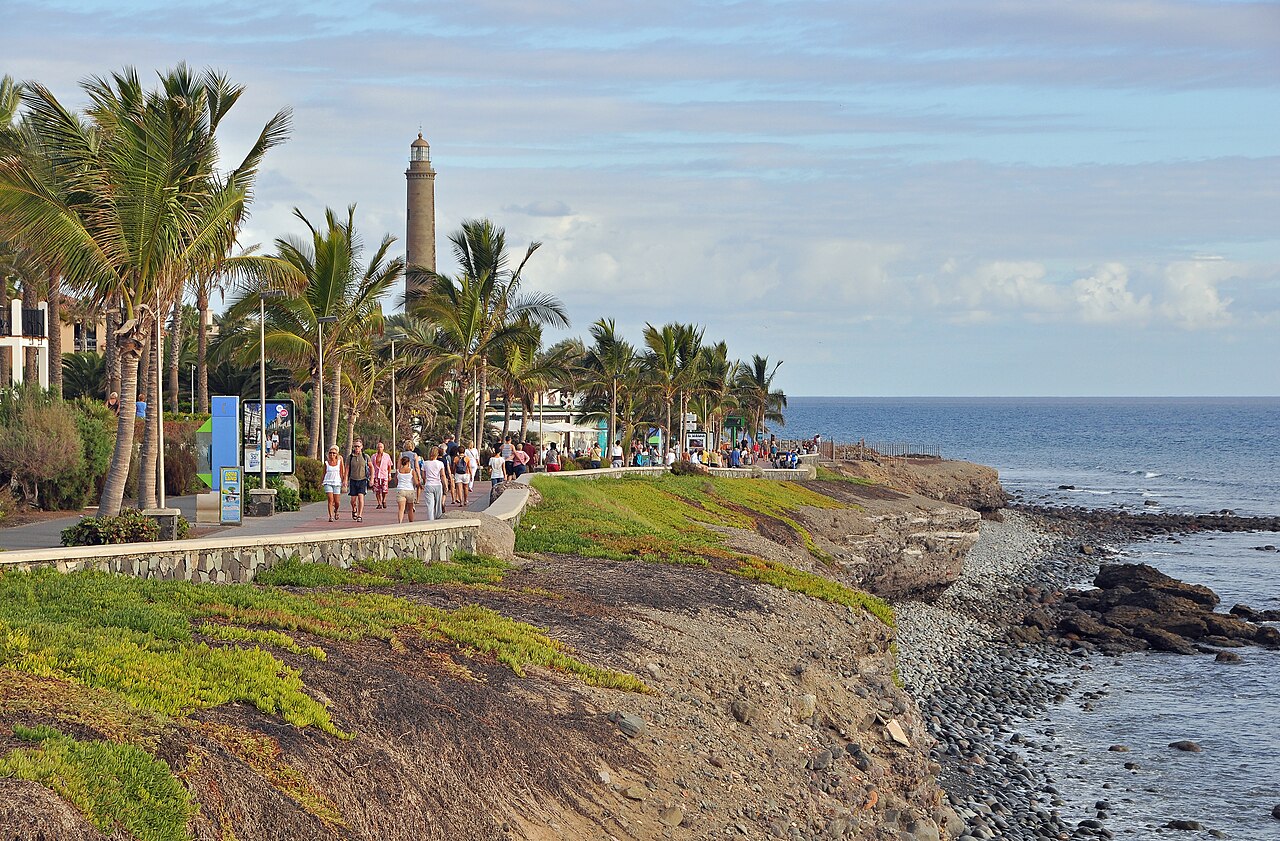
Stay near Faro de Maspalomas if you want the most convenient location
The lighthouse end of Meloneras is particularly good when the Maspalomas beach and dunes are part of your daily plans. You can walk toward the beach, La Charca lagoon viewing area, restaurants and the promenade. Hotels in this location earn their keep through access and setting, not simply through star rating.
A real example is Lopesan Costa Meloneras Resort & Spa, which the operator places beside the seafront and close to the lighthouse and dunes area. Another is Lopesan Baobab Resort, a large themed family-friendly property close to this part of Meloneras. They illustrate the resort-hotel style rather than a promise of a specific room quality, price or current offer.
Stay farther west for a quieter, more hotel-focused Meloneras break
As you head west along the promenade, the atmosphere can feel a little more residential and contained. The separate Playa de Meloneras is smaller than the main Maspalomas beach and includes pebbly or rocky sections depending on the exact spot. Some hotels here, such as H10 Playa Meloneras Palace, suit visitors who care more about pools, relaxation and a seaside hotel than being next to the dunes every morning.
The trade-off is that the western end is not the same as being beside Faro. If you want to walk to Maspalomas beach every day, compare the exact hotel position. The paved promenade is a pleasure for many travellers, but it can still be a substantial journey if you are carrying beach equipment or travelling with young children.
Who should choose Meloneras — and who should not?
Choose it for an anniversary, adults-oriented relaxation, a premium family hotel, spa facilities or sea-view dinners. It also works well for visitors who want a smart promenade outside their hotel and have little interest in late-night clubs. Look elsewhere if you want the lowest-cost self-catering stay or plan to spend every day away sightseeing: you may pay for facilities you do not use.
For a more detailed hotel-area breakdown, see where to stay in Meloneras. Couples interested in premium hotel locations near the landmark can also read our Faro de Maspalomas guide.
Maspalomas: best for bungalow holidays, garden space and families
When travellers say they are staying in Maspalomas rather than Meloneras or Playa del Inglés, they often mean the inland resort areas: Campo Internacional, the golf-course surroundings, Sonnenland or quieter bungalow developments. These are not identical neighbourhoods, but they share an important booking consideration: many properties are chosen for the accommodation itself rather than for an immediate beachfront setting.
That can be exactly right for families and longer stays. Two bedrooms, a kitchenette, shaded terraces, gardens and a swimming pool may matter more than having a sea view from the room. It can also be appealing to adults who dislike the densest nightlife areas and want quiet evenings. But the beach journey must be treated as part of the booking, especially when travelling without a car.
Campo Internacional and Maspalomas Golf: the bungalow option
The golf-side and Campo Internacional areas are well suited to low-rise accommodation and pool-focused days. One illustrative property is Bungalows Cordial Green Golf, whose official website describes family facilities, a setting by Maspalomas Golf and a complimentary shuttle to Maspalomas and Playa del Inglés at scheduled times. That is a useful reminder: some inland accommodation can work well without a car because the hotel provides transport, not because it is a short walk from the shore.
Check the actual shuttle timetable, wheelchair or pushchair suitability, return point and season-specific children's facilities before booking. A hotel that offers a morning bus to the beach but no useful late-afternoon return may not suit your planned routine. Equally, a centrally located family hotel in Playa del Inglés could be a better choice if everyone wants to walk back for lunch or a nap.
Sonnenland: space and quieter streets, but the biggest location trap
Sonnenland may appeal to travellers looking at houses, villas, apartments and accommodation away from the busiest resort streets. It is generally not the place to choose if your ideal morning starts by leaving the hotel and immediately walking onto the sand. Roads, gradients and distance to the coast need to be checked for the specific property.
If you plan to hire a car, want parking and prefer a quieter home base, Sonnenland may be a reasonable option. If you are flying in for four nights and want beach, restaurants and evening walks without planning transport, a hotel closer to Faro, the Meloneras promenade or central Playa del Inglés will usually be less complicated.
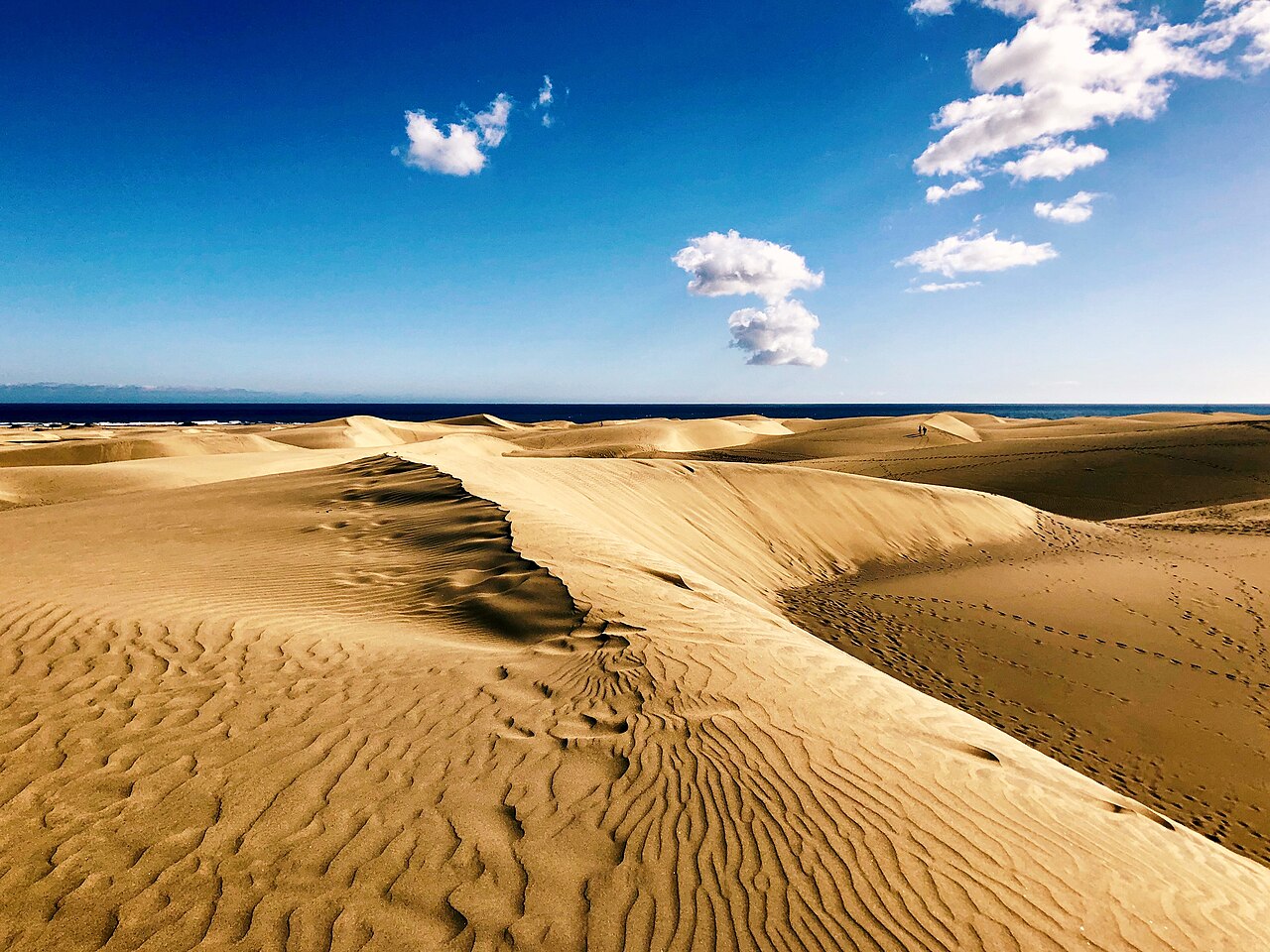
Who should choose Maspalomas: families who prioritise bungalows and pools, golfers, longer-stay guests and travellers who are comfortable with a shuttle or taxi journey to the beach. Who should think twice: anyone who wants nightlife outside the hotel, immediate sandy-beach access or absolute freedom from taxis and transport planning.
Families comparing a resort hotel against a bungalow complex should read Meloneras vs Maspalomas for families before committing to a property.
Playa del Inglés: best for nightlife, apartments and flexibility
Playa del Inglés is the liveliest and often the most adaptable of the three bases. It has a large choice of apartment complexes, mid-range hotels, adults-only properties, shops, restaurants and late bars. This makes it easier to match different budgets and travel styles than in an almost exclusively high-end resort area.
The resort's strongest selling point is convenience once you have chosen the right block. A hotel close to the beach promenade makes sun-and-sea days simple; one near Yumbo works better for late nights. Those two hotels can be in the same named resort but feel very different.
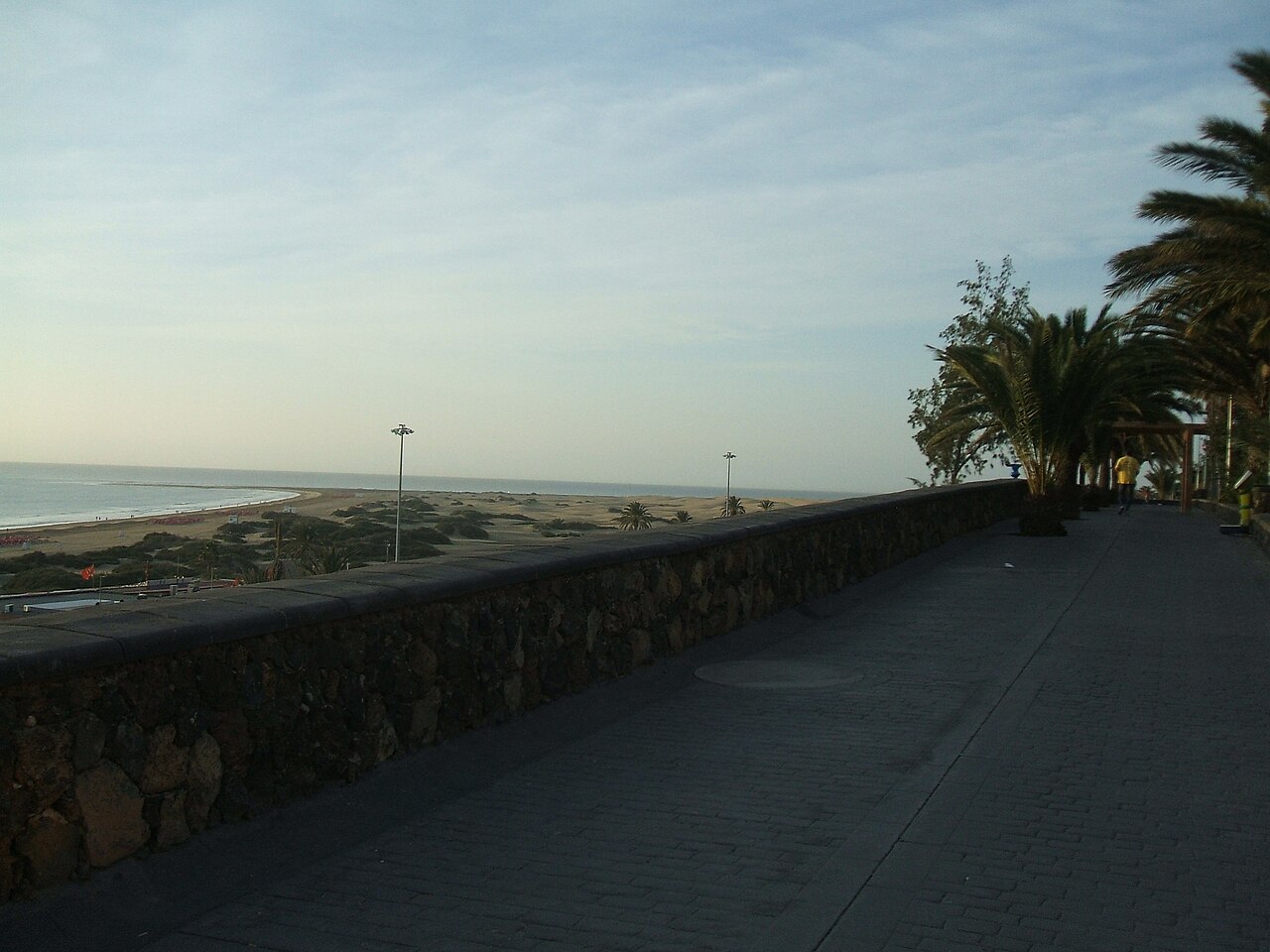
Beachfront and promenade: for travellers who want sand every day
If you expect to spend long mornings on Playa del Inglés beach, prioritise accommodation near a usable access point and promenade. A hotel farther inland can have a better pool but turn every beach visit into a longer walk. This matters particularly for families carrying towels and toys, and for visitors with reduced mobility.
The beach is long and sandy, with developed resort services around its eastern access areas. It opens toward the dune landscape on the western side. This is Atlantic coast rather than a small, fully sheltered bay, so sea conditions and lifeguard flags matter even when the weather looks calm.
Yumbo and central Avenida de Tirajana: for LGBTQ+ nightlife and late evenings
The official Gran Canaria tourism site identifies Yumbo Centre as one of Europe's major LGBTQ+ nightlife hubs. If the reason you are visiting Gran Canaria is restaurants, drag shows, bars, clubs or Pride-related travel, staying within an easy walk can be a major benefit. It also means you should take noise seriously when comparing hotels.
A Yumbo-adjacent apartment can be a great booking for adults who plan to go out every night and a poor one for light sleepers with young children. Read recent room-specific reviews, check whether the building faces a late-night venue, and decide whether nightlife proximity is something you actually want. The Yumbo-area accommodation guide covers that narrower booking decision.
Central apartment streets: value with some compromises
Around the central grid, apartments and hotels provide flexibility for visitors who want to eat out, cook occasionally, visit the beach and take day trips. A real example is Barceló Margaritas, whose operator places it on Avenida Gran Canaria — not directly on the beach. It illustrates why “Playa del Inglés hotel” and “beachfront hotel” should not be treated as synonyms.
At a different end of the market, Bohemia Suites & Spa shows that Playa del Inglés also has boutique, adults-only luxury accommodation. The resort is not uniformly budget: its useful feature is the breadth of hotel styles, not a guarantee that every room costs less than Meloneras.
Read our full Playa del Inglés hotel-area guide for specific trade-offs between beach access, Yumbo, Cita and the quieter edges.
Which has the best beach: Meloneras, Maspalomas or Playa del Inglés?
The beaches are the most common source of disappointment because listing photographs often show the dunes even when the hotel itself is nowhere near that stretch of coast.
| Beach | What you are getting | Booking implication |
|---|---|---|
| Playa de Maspalomas | Broad dune-backed sand and lighthouse scenery | Best reached from the Faro end, or by planning access from the Playa del Inglés side |
| Playa del Inglés | Long sandy stretch with a busy resort nearby | Choose a practical beach-access hotel, not just a central postal address |
| Playa de Meloneras | Smaller sandy/pebbly beach with a relaxed promenade atmosphere | Useful for western Meloneras hotels, but not equivalent to the large dune beach |
Important geographical distinction: Playa de Maspalomas and Playa del Inglés form parts of the same long coastline around the dunes. Playa de Meloneras lies to the west of the lighthouse and is a separate, smaller beach. Calling a western Meloneras hotel “steps from Maspalomas beach” without checking the real route can mislead travellers.
For scenic walks, the Maspalomas beach and dunes are hard to beat. But the sand is exposed, and a long walk along the shore is more demanding than a short promenade stroll. In the nature reserve, keep to authorised access and observation routes rather than crossing protected dune areas indiscriminately. La Charca is a protected lagoon and bird habitat, not a swimming pool or a place to wander off marked routes.
Family beach safety is also a property-level and weather-level decision. Choose a convenient beach entrance, watch the flags, supervise children and do not assume that “beautiful sand” means consistently calm water.
Real hotel examples: compare locations, not just star ratings
These examples are here to clarify hotel type and geographic position, not to rank properties, quote live prices or imply first-hand inspections. Official hotel descriptions and the Gran Canaria tourism accommodation directory were checked when selecting them.
| Hotel or resort | Area | Why it belongs on a comparison shortlist |
|---|---|---|
| Lopesan Costa Meloneras Resort & Spa | Meloneras near Faro | Large resort facilities by the promenade and lighthouse setting |
| H10 Playa Meloneras Palace | Western Meloneras | Hotel-first seaside stay farther west from Faro |
| Bungalows Cordial Green Golf | Maspalomas Golf / Campo Internacional | Bungalow space, pools and a published beach-shuttle service |
| Barceló Margaritas | Inland Playa del Inglés | Hotel facilities with a resort-centre location rather than beachfront |
| Bohemia Suites & Spa | Playa del Inglés | Adults-only boutique option showing the resort's premium side |
Before choosing, compare cancellation conditions, room layout, children's age restrictions, pool heating if relevant, recent reviews, meals, parking and real travel time from the lobby to the sand. If you are travelling in winter, investigate which outdoor pools are heated; do not assume every five-star hotel keeps every pool warm.
Which resort is better for families with children?
Maspalomas is a strong family option when the accommodation itself is the attraction: larger gardens, pool areas, bungalow layouts and a calm evening routine. Its weakness can be location. A toddler who needs a midday nap changes the cost of repeated taxi trips to the beach, so family-friendly resort facilities do not automatically translate into easy beach access.
Meloneras works when you want a more premium hotel, an easy promenade stroll and the comfort of on-site restaurants. Properties such as the Lopesan Baobab Resort illustrate the full-service family-hotel side of the area. For visitors planning beach days beside Faro, check how close the hotel actually is to the main sandy access point.
Playa del Inglés offers good value in practical apartment and hotel stays, particularly for families with older children who want shopping, casual eating and more activity. With younger children, choose a quieter hotel zone away from late bars and be realistic about walking from the inland grid down to the beach.
Our family rule: choose by the children's ages and your typical day. Beach twice daily? Prioritise easy sand access. Pool and half-board all week? Inland Maspalomas or a family hotel in Meloneras can work very well. Travelling with teenagers who like going out for food and shopping? A well-located Playa del Inglés stay may be more convenient.
Where should couples stay, including adults-only and LGBTQ+ travel?
For a couple seeking a relaxing, higher-end trip, Meloneras is a natural first choice. The seafront promenade makes sunsets, drinks and dinners easy without extensive transport planning, and the area has a concentration of hotels with spas and larger resort facilities.
For a couple who wants more space, golf or a low-key bungalow base, Maspalomas can be preferable. However, do not mistake an inland quiet area for a romantic beachfront address; check whether you would welcome using a taxi for evening dining.
For adults who want lively evenings or LGBTQ+ nightlife, Playa del Inglés has the advantage. The Yumbo area and wider bar scene make it a distinct travel experience. You can also book an adults-only hotel elsewhere in Playa del Inglés while keeping the nightlife at a more comfortable distance.
If you are planning a couple's trip around a spa, compare hotel facilities and location together, rather than treating one resort as universally better. Our Meloneras spa and adults-only hotel guide helps narrow that choice.
Restaurants and nightlife: a different evening in each area
Meloneras has a promenade-and-dining pattern. It suits holidaymakers who like a drink with an Atlantic view, a restaurant reservation, evening shopping or a short stroll back to a premium resort. Its main attraction is relaxed convenience rather than clubs.
Maspalomas often has quieter nights, especially in inland bungalow zones. There are restaurants and entertainment venues across the broader resort area, but do not assume a property near Maspalomas Golf has the same outside-the-door dining options as Meloneras near Faro.
Playa del Inglés has the greatest density of casual restaurants and nightlife-led streets among the three. That makes it convenient for groups with mixed budgets and travellers who want to decide where to eat at the last minute. But location affects sleep: an apartment facing a busy centre may be perfect for one traveller and exhausting for another.
Airport transfer: which area is easiest from Gran Canaria Airport?
All three areas sit on the main southern tourist corridor from Gran Canaria Airport (LPA). Public buses are operated by Global. Aena currently lists line 66 between the airport and Faro de Maspalomas, including the Playa del Inglés corridor, and line 90 between Telde, the airport and Faro de Maspalomas. Line 36 and some other services also operate in parts of the southern corridor, depending on day and destination.
The operator publishes schedules and stop details, and these should be checked for your travel date. Aena's published indicative airport fares include about €3.50 for Playa del Inglés and €4.05 for Faro de Maspalomas on its listed services, but fares and ticket rules can change. The price to a named interchange does not include a possible taxi to a distant hotel.
For Meloneras: buses toward Faro may be convenient when your hotel is near the lighthouse or has a manageable final walk. Western Meloneras hotels can require additional local transport.
For Maspalomas: check whether the bus serves your particular Campo Internacional, golf or Sonnenland address. Some inland properties are much better reached by taxi, private transfer or their own scheduled shuttle than by hauling luggage from a coastal stop.
For Playa del Inglés: the larger network of resort stops makes public transport a practical option for many hotels, but the final hill, stairs or street crossing still matters.
For a destination-specific airport plan, see our LPA to Maspalomas and Meloneras transfer guide or LPA to Playa del Inglés. If you land after the last useful service, book an authorised taxi or confirmed transfer rather than assuming the airport bus runs throughout the night.
Do you need a car for a week in southern Gran Canaria?
No, not for a typical beach-and-resort holiday. Visitors staying near Playa del Inglés beach or the Meloneras lighthouse and promenade can manage many days with walking, taxis and organised excursions. Inland Maspalomas can also work without driving if the accommodation has an appropriate shuttle, useful local buses or a good taxi plan.
A car becomes more valuable when you are staying in Sonnenland or a detached property, plan to explore mountain villages and viewpoints, want a flexible island-wide itinerary or travel with equipment that is awkward on a coach. Even then, a two- or three-day rental may offer better value than booking for a full week when the rest of the trip is spent at the pool.
Check hotel parking charges and access rather than assuming a rental car is a free convenience. In central Playa del Inglés, convenient parking varies by street; around Meloneras, some hotels have their own paid arrangements. If excursions include pickups, confirm the actual meeting point, because “Maspalomas pickup” does not always mean a vehicle comes to your bungalow door.
Day trips popular with visitors include Puerto de Mogán, the island's mountain interior, Roque Nublo viewpoints and coastal boat experiences. Whether a guided tour or rental car is more practical depends on your planned stops and comfort with mountain roads. Read our south Gran Canaria excursion guide for transport and booking trade-offs.
Best area in winter or summer — does the answer change?
The southern resort belt is popular year-round, but the kind of winter holiday may differ from a mid-summer week. In cooler months, a well-maintained hotel with a heated pool, comfortable terrace and easy evening dining can matter more than immediate access to a beach. That is a reason to compare Meloneras hotel facilities carefully, not a guarantee of swimming-pool temperatures or uninterrupted sunshine.
Maspalomas bungalow stays can be attractive for longer winter escapes because kitchens and extra living space become useful. Playa del Inglés keeps a wide range of bars and restaurants accessible in most seasons and is practical for travellers who expect to spend time outside their accommodation.
For hot-weather family travel, check shade, room air conditioning, pool facilities and the actual walk back from the beach. A route that feels easy on a mild morning may be tiring with children or older travellers under strong midday sun.
Common booking mistakes in Meloneras, Maspalomas and Playa del Inglés
- Thinking “Maspalomas” guarantees beach access. Campo Internacional, Sonnenland and Faro-area hotels are very different locations.
- Confusing Playa de Meloneras with Maspalomas beach. They are separate beaches with different scale and access.
- Booking beside Yumbo for a quiet family week. Choose Playa del Inglés for its strengths, but select the hotel block according to your tolerance for noise.
- Paying for Meloneras luxury while planning to be out all day. If you mainly want a bed between excursions, a more flexible centrally located hotel may be better value.
- Assuming the dunes can be crossed anywhere. Follow protected-area rules and authorised access, and plan realistic walking distances.
- Confusing airport-bus arrival with a hotel-door transfer. Check the exact stop and last walking leg before relying on public transport with luggage.
- Hiring a car for a pool holiday by default. Decide how many independent driving days you actually need, and confirm parking.
Frequently asked questions
Is Meloneras better than Playa del Inglés?
Meloneras is better for a premium promenade-and-hotel holiday with calm evenings. Playa del Inglés is usually better for nightlife, a wide accommodation choice and more casual restaurants. The better choice depends on the holiday you want, not simply hotel stars.
Is Maspalomas the same as Meloneras?
No. Meloneras is the developed seafront area west of the Maspalomas lighthouse. “Maspalomas” can refer to the dunes, beach and much wider inland resort districts. When comparing hotels, inspect the exact map pin.
Which is better for families with young children?
A good family hotel in Meloneras or an appropriately located bungalow complex in Maspalomas can both work well. For beach-first families, a hotel with an easy route to sand may be more important than the resort name. Check pools, age rules and beach access before paying.
Where is the best nightlife in southern Gran Canaria?
Playa del Inglés, particularly around Yumbo and other evening centres, offers the strongest concentration of bars, clubs and LGBTQ+ nightlife. Meloneras is more focused on restaurants and promenade evenings.
Which has the best beach?
For sweeping scenery and dune-backed sand, Playa de Maspalomas and the adjoining Playa del Inglés coastline stand out. Playa de Meloneras is smaller and may appeal more for the promenade-and-hotel experience. Swimming conditions and beach access vary.
Do I need a rental car if I stay in Maspalomas?
Not necessarily. Inland hotels with shuttles and good local connections can work without one. A car is more useful if you choose a remote property or plan several independent island tours.
Can I walk from Meloneras to Playa del Inglés?
The resort areas connect via the coastal route around the lighthouse and dune-backed shore, but the distance can be substantial depending on the starting and ending hotel. This is a longer coastal walk, not an automatic five-minute stroll. For everyday movement, a bus or taxi may be more comfortable.
Is Meloneras worth paying extra for?
It can be when you value hotel facilities, the lighthouse-side location, a refined promenade and low-effort evenings. It is less compelling if you plan to spend most days away exploring and rarely use the hotel's amenities.
Final verdict: choose your everyday holiday, not only the resort name
Book Meloneras when you want a comfortable hotel, an attractive promenade and easy dinner plans. Book Maspalomas when you want gardens, bungalow space and a quieter base — and have checked the actual beach journey. Book Playa del Inglés when restaurant variety, nightlife and accommodation flexibility matter most.
All three make it possible to enjoy the dunes and explore the south of Gran Canaria. The difference is how much planning you need between your hotel door and the things you expect to do every day. Once you know which area suits your travel style, compare equivalent properties and dates rather than assuming one resort always represents better value. You can start with Gran Canaria accommodation or see where to stay across Gran Canaria if you are still considering other resorts.
Editorial review — October 2026. Resort geography, beach connections and nightlife were checked against the official Gran Canaria tourism website and Turismo Maspalomas; airport bus corridors and indicative fares against Aena; hotel examples against property-operator information. This guide compares published location and facilities information and does not claim independent inspections of individual hotels, guaranteed room availability or live accommodation pricing. All images were resized from licensed Wikimedia Commons photographs; creator and licence details are in their captions.