
Which Canary Island Is Best for Your Trip?
Choosing the right Canary Island can make a big difference to your holiday. Some islands are best for beaches and resort convenience, others are better for hiking, surfing, quieter escapes or scenic road trips. This guide compares the Canary Islands and helps you decide where to go based on your travel style, arrival plans and airport transfer needs.


The Canary Islands offer very different travel experiences, even though they are all part of the same destination region. Tenerife is known for variety and easy all-round holidays, Gran Canaria combines resorts with city breaks and scenic inland routes, Fuerteventura is famous for wide beaches and wind sports, while Lanzarote stands out for volcanic landscapes and distinctive island style. Smaller islands such as La Palma, La Gomera, El Hierro and La Graciosa appeal to travellers looking for quieter nature-focused trips.
If you are planning a holiday and wondering which Canary Island is right for you, the answer depends on what matters most: beaches, family convenience, hiking, surfing, atmosphere, transfer times, or the type of accommodation you want. This page compares the islands and helps you move from general inspiration to a more practical travel decision.
Compare the Canary Islands at a Glance
Use this quick comparison to match each island with the kind of holiday, arrival rhythm and transfer planning that suits you best.
Best Canary Island for Different Travel Styles
Best for first-time visitors
Tenerife is often the easiest place to start if you want a little of everything. It combines beach resorts, family-friendly areas, day trips, natural scenery and a broad range of accommodation styles. It works especially well for travellers who want convenience without limiting themselves to one type of holiday.
Best for beaches
Fuerteventura is one of the strongest choices for beach-focused travel. It is ideal for long sandy stretches, open coastal scenery and a more relaxed atmosphere built around sea, wind and space. Travellers who care most about beach time often find it one of the most satisfying islands.
Best for families
Tenerife and Gran Canaria are usually the easiest options for families because they combine practical resort infrastructure, broad accommodation choice and simple holiday logistics. They work well for travellers who want comfort, flexibility and predictable movement from airport to accommodation.
Best for couples
Lanzarote, Tenerife and parts of Gran Canaria are all strong options for couples, depending on the mood of the trip. Lanzarote suits couples looking for scenery and style, Tenerife offers variety and premium resort choice, while Gran Canaria works well for mixing beaches, dining and different day-trip options.
Best for hiking and nature
La Palma and La Gomera are especially attractive for travellers who prioritise scenery, walking routes and a quieter natural setting. Tenerife also works well if you want hiking combined with a more varied holiday base.
Best for surfing and wind sports
Fuerteventura is one of the most obvious choices for surfing, kitesurfing and coastal activity. It appeals to travellers who want warmth, beach access and a holiday built around time outdoors.
Best for quiet island breaks
El Hierro, La Graciosa and parts of La Gomera are better suited to travellers who want a slower rhythm, fewer crowds and a more peaceful island atmosphere.
Island-by-Island Guide
Tenerife
Tenerife is the most versatile island for travellers who want beaches, resort convenience, scenic variety and a wide choice of activities. It is a strong all-round option for families, couples, groups and first-time visitors.
Gran Canaria
Gran Canaria is ideal if you want balance. It combines classic resort areas with city life, shopping, dining and inland scenery, making it suitable for both relaxed holidays and more varied itineraries.
Fuerteventura
Fuerteventura is best for travellers who want wide beaches, watersports and a calm coastal atmosphere. It works especially well for slower-paced holidays where beach time is the main priority.
Lanzarote
Lanzarote is a good fit for travellers drawn to volcanic landscapes, stylish resort areas and straightforward island touring. It suits couples, repeat visitors and anyone who likes a more distinctive visual identity.
La Palma
La Palma is better for scenic trips, walking holidays and quieter stays. It is less about classic resort intensity and more about landscape, atmosphere and natural beauty.
La Gomera
La Gomera appeals to travellers looking for hiking, rural character and a slower island experience. It works well for nature-first travel and more relaxed pacing.
El Hierro
El Hierro is one of the best choices for travellers seeking remote calm, minimal crowds and a strong connection to nature.
La Graciosa
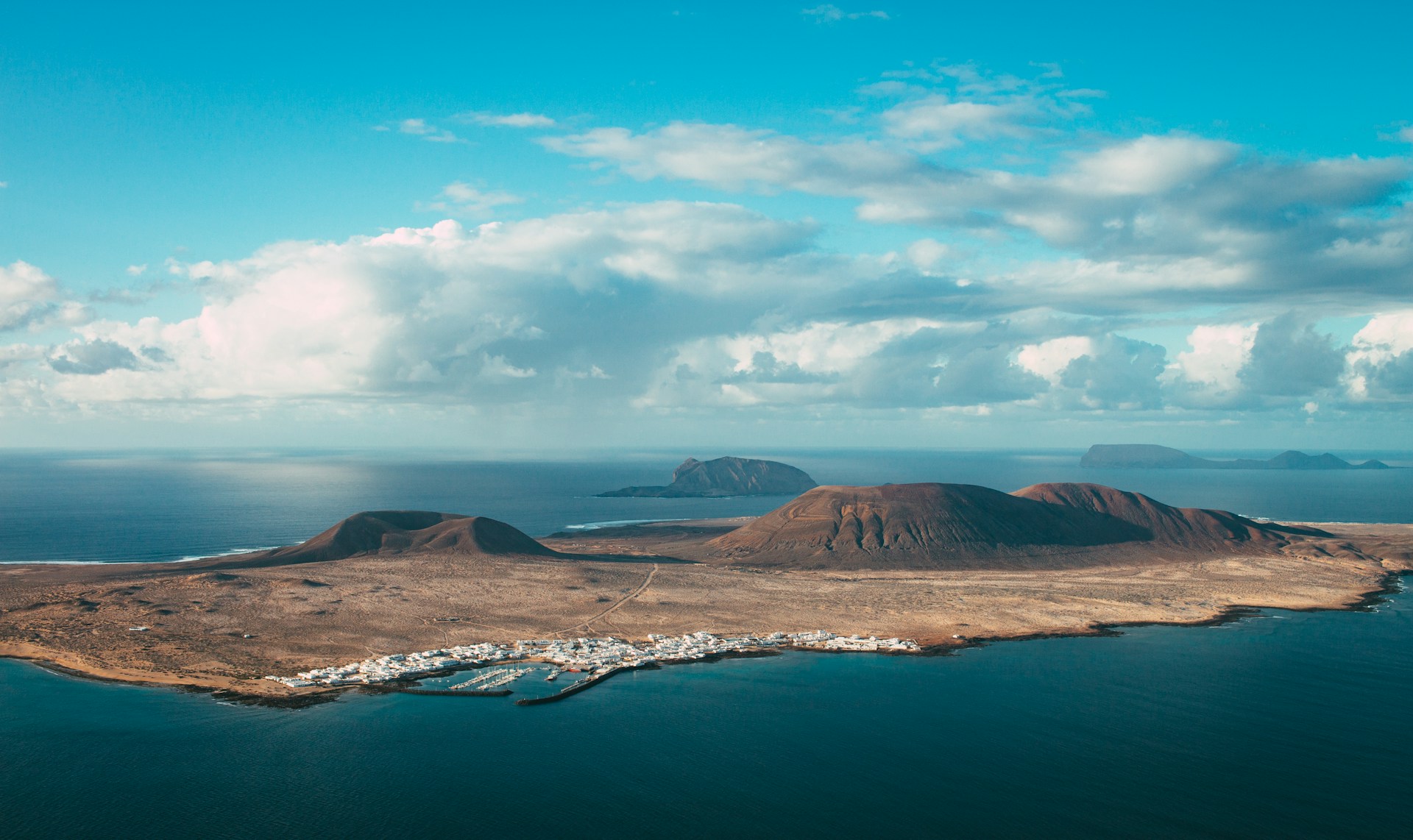
La Graciosa is ideal for very quiet beach breaks and simple island travel. It suits travellers who want to switch off, slow down and enjoy a lighter style of trip.
How to Choose the Right Island for Your Arrival and Transfers
When comparing the Canary Islands, it helps to think beyond scenery and weather. Arrival logistics can shape the whole trip, especially if you are travelling with children, sports equipment, late-night flights or accommodation far from the airport. Some islands are easier for short, direct resort arrivals, while others require more transfer planning or ferry connections.
If you want a smoother start to your holiday, choose an island that matches both your travel style and your practical needs. A beach-first traveller may prefer Fuerteventura, but longer resort transfers can matter. A first-time visitor may feel more comfortable with Tenerife because it offers more flexibility. Gran Canaria works well for travellers who want both resort convenience and city access. For smaller islands, transfer and ferry planning can be even more important.